
Exterior piers around a slab
This suits a slab house that has settled along its edges. The piers go in from outside around the house, so you can keep living there with little disruption and nobody cuts into your floors.
Sloping floors, sticking doors or cracks in the brick? We plan the repair from your engineer's report and tell you plainly what it needs.
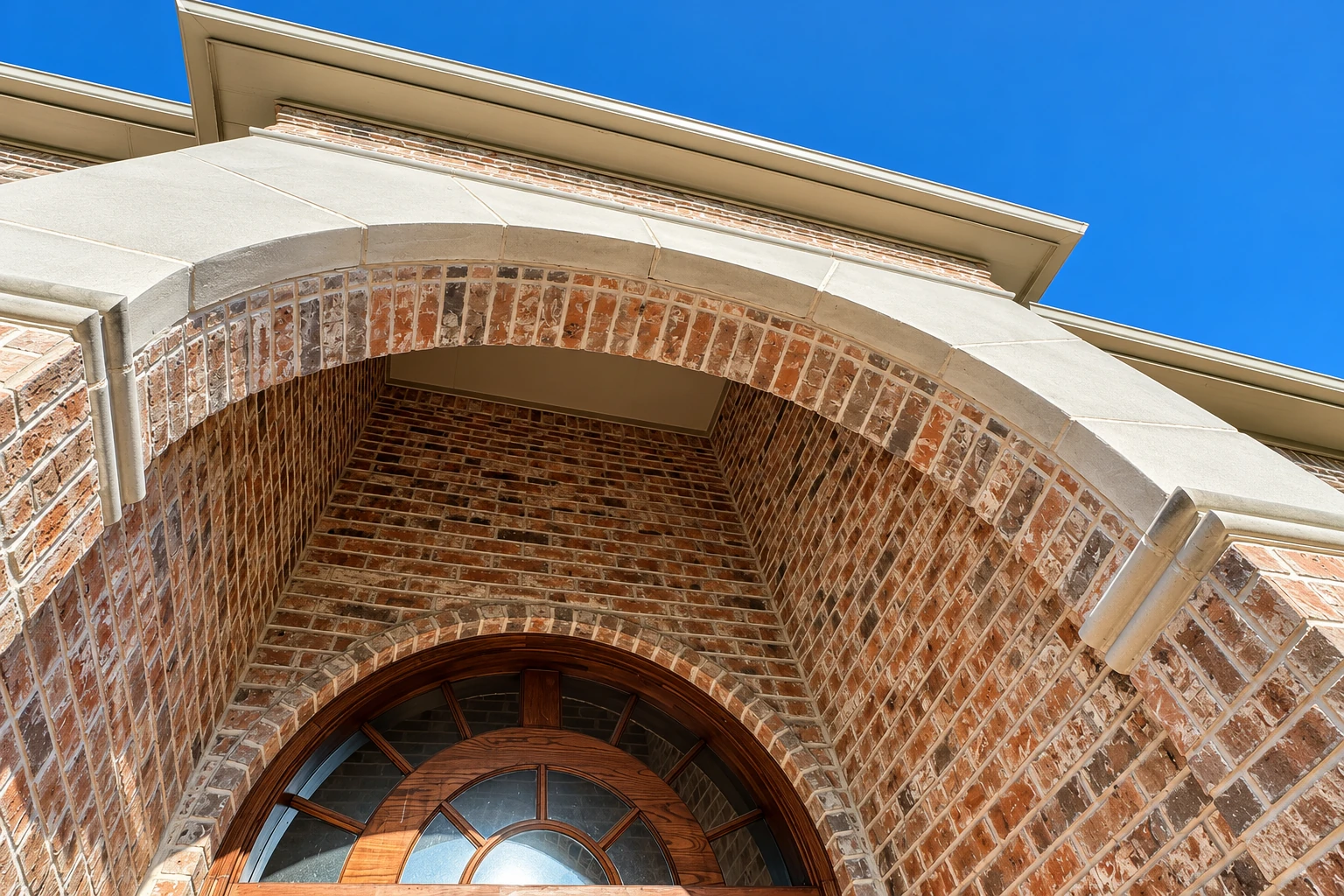
Foundation repair in Beaumont, TX brings a house that has settled or dropped back toward level, usually with piers under a slab or with releveling and beam work under a pier and beam house, so you're fixing the movement behind the cracks and not just covering them up.
Most calls start with a floor you can feel slope, a door that won't latch anymore or a stair-step crack climbing the brick, and sometimes that crack only needs brick repair. The price turns on what kind of foundation you have, how many piers or how much beam work the engineer calls for, and whether everything can go in from outside or some has to go through the floors inside. The schedule turns on having an engineer's report in hand, any permit the city needs and how wet the ground is. I'll come look, and you'll get a written estimate for your house after the visit.
I come out to look at the job in person, walk the house and go through your engineer's report with you. Our masons do the work, and I'm on site to check it, so the person who gave you the estimate sees the job get done.
I learned the trade laying brick and block on new houses going up around Beaumont, then started this business in 2013 to work on homes people already live in. That's 13 years of finding what caused a crack instead of just filling it.
We're fully licensed and insured, which matters when a crew is digging next to your foundation or cutting through a floor inside. Ask about it at the estimate, before anybody picks up a shovel, and we'll go over it with you.
I'd rather tell you a small repair will do than sell you a big one, so if the plan calls for piers along one side, that's what we quote. Call (409) 240-0376 or use the form below to set up a visit.
We reply to calls and messages within one business day, and the estimate is free, on site and obligation-free. I come out, look at the foundation in person and send you a written estimate after the visit. It helps to tell us whether the house sits on a slab or on piers and beams, where the floors slope and which trees grow near it.
The City of Beaumont's Building Codes office reviews site plans and issues building permits for houses, so whether your repair needs one is the city's call. We check with them for your address and tell you at the estimate, and if it needs a permit, we help get it in place before we start. You can also call the Building Codes office yourself at 409-880-3100. Whether the law calls for a licensed engineer on your repair is a separate question, and the state engineering board has a flowchart for building repairs that helps you check.
Beaumont sits on deep clay that drains poorly and lets water through very slowly, so the ground under a house swells when it's soaked and shrinks when it dries out, and that's what we usually find behind the floors that slope here. We're based in Beaumont and do the same work in the cities around it, including Nederland and Port Neches, and plenty more.
The price comes down to how many piers or how much beam work your engineer's report calls for, and where it goes. Interior piers cost more than exterior ones because the floor inside gets cut through and patched afterward, which adds labor and material, so plan on clearing those rooms. You'll get a written estimate for your house after I look at it.
Floors that clearly slope are the sign worth taking to an engineer, because a tilt of more than 1 percent, about 1.2 inches across a 10-foot room, is usually noticeable. That kind of tilt may make the house less comfortable or convenient to live in. If you can feel it walking across the room, it's time for an inspection.
A Level A inspection is what the Texas civil engineers' foundation guidelines call a report of first impressions, a first look and not a full evaluation. Some homeowners who hired one felt they weren't getting a thorough check, so ask the engineer which level they'll provide before you book. Bring whatever report you get to the estimate.
Not necessarily, because taking out a tree near the foundation may make the soil swell back up as it takes on moisture, especially if the tree was there before the house. Trees and big shrubs close by may shrink the soil under a house, and pruning them now and then may be a better choice than cutting them down, though pruning may not lift a foundation that's already dropped. If a tree does come out, the engineer may recommend waiting a while for the ground to rise before the repair.
The lead-up often takes longer than the work itself, because we need the engineer's report and any permit in place before we start. On site, the time turns on how many piers or how much beam work the plan calls for and whether any of it goes inside. I'll tell you what to expect for your house at the estimate.
Keeping the soil moisture close to even on all sides of the house may help, and overwatering is something to avoid. Your engineer may give watering advice for your house, such as watering one spot, watering heavier or cutting back, so ask for it in writing.